
A Complete Guide to Choosing Good Tyres: Best Brands, Specifications, Expiry Dates & How to Avoid Recycled Tyres
A Complete Guide to Choosing Good Tyres: Best Brands, Specifications, Expiry Dates & How to Avoid Recycled Tyres
Your tyres are the only part of your car that directly touches the road. They affect safety, fuel economy, comfort, braking distance, and overall performance. Choosing the right tyres—and avoiding substandard or recycled ones—is one of the most important decisions every car owner should make.
This guide explains how to choose good tyres for your car, the best brands by vehicle type, how to read tyre specifications, how to check expiry dates, and how to avoid falling for cheap, recycled tyres.
1. Best Tyre Brands for Cars in Nigeria
Different car brands perform best with specific tyre brands known for durability, road grip, and heat resistance.
Recommended Tyre Brands
- Michelin – Excellent grip, long-lasting, premium quality
- Bridgestone – Strong performance, great wet traction
- Goodyear – Durable, great for SUVs and sedans
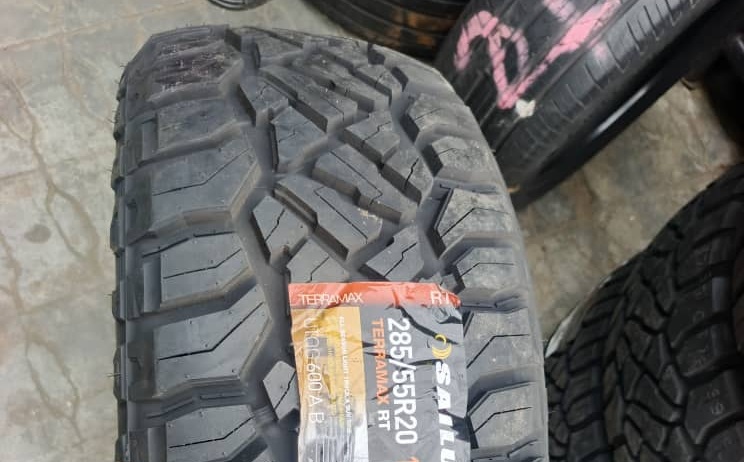
- Sailun – Good and Durable for sedan and SUV
- Pirelli – High performance, perfect for luxury and sports cars
- Continental – Good braking and handling
- Dunlop – Affordable and reliable
- Hankook – Strong performance at a lower price point
- Yokohama – Very durable, good for SUVs and off-road driving
- Toyo – Good balance of price and longevity
- And some good others not listed
Best Brands for Car Categories
- Toyota, Honda, Nissan: Michelin, Bridgestone, Goodyear, Sailun
- Mercedes, BMW, Audi: Pirelli, Continental, Michelin
- Lexus, Infiniti, Acura: Michelin, Pirelli, Yokohama, Sailun
- SUVs (RAV4, Highlander, CR-V, Prado, etc.): Yokohama, Goodyear, Bridgestone
- Pickup trucks (Hilux, Ford Ranger): BFGoodrich, Goodyear Wrangler, Yokohama Geolandar
2. How to Read Tyre Specifications
Tyre sizes look like this:
Example: 225/55 R18 98V
Here’s what each part means:
- 225 → Tyre width (mm)
- 55 → Aspect ratio (height as % of width)
- R → Radial construction
- 18 → Rim size (inches)
- 98 → Load index (how much weight the tyre can carry)
- V → Speed rating (maximum safe speed)
Common Speed Ratings
- T – 190 km/h
- H – 210 km/h
- V – 240 km/h
- W – 270 km/h
Always choose tyres that match or exceed your car manufacturer’s recommended load index and speed rating.
3. How to Know a Good Tyre (Quality Checks)
Before buying, inspect the tyre for:
✔️ Freshness (check DOT code — explained below)
✔️ Uniform tread depth (no uneven patches)
✔️ Strong, solid rubber with no softness or cracks
✔️ Strong bead area (the thick edge that sits on the rim)
✔️ Proper sidewall strength — no wrinkles or repairs
✔️ Clear tread pattern with strong grooves for grip
✔️ No signs of previous use
Good tyres feel firm, consistent, and have a clean manufacturing finish.
4. How to Check Tyre Expiry Date
Every tyre has a DOT Code stamped on the sidewall.
Example: DOT 1519
- 15 → Week
- 19 → Year
This tyre was produced in the 15th week of 2019.
Tyre Lifespan Guidelines
- Unused tyres expire 4–5 years from the date of manufacture
- Used tyres should be replaced every 3–4 years, depending on condition
If the DOT code is missing, scratched off, or reprinted, do not buy the tyre.
5. How to Avoid Recycled or “Tokunbo” Tyres
Recycled tyres are dangerous. They often come from junkyards abroad, repackaged and sold cheaply.
Signs of Recycled Tyres
- Very low price compared to market rate
- Sidewalls look painted or polished to appear new
- Smell like chemicals (fresh spray), not natural rubber
- Repaired bead or patched sidewalls
- Cracks hidden with black polish
- Faded or altered DOT code
- Uneven tread wear
Why Recycled Tyres Are Dangerous
- They can burst at high speed
- Poor braking performance
- Weak grip on wet roads
- Heat buildup leading to blowouts
- Reduced load-carrying capacity
Cheap tyres may save money today but can cost your life tomorrow.
6. Tips to Ensure You’re Buying Fresh, Genuine Tyres
- Always buy from a trusted dealer or workshop
- Request to see the DOT code before paying
- Avoid tyres older than 2 years from manufacturing date
- Compare prices across multiple vendors
- Ensure tyres come with original wrapping
- Choose brands known for heat resistance (important for Nigerian roads)
- Do not buy tyres stored under the sun for long periods
- Must comes with longer Warranty
7. Why Good Tyres Matter
High-quality tyres provide:
- Shorter braking distance
- Better fuel economy
- Improved handling
- Longer lifespan
- Better stability at high speed
- Safety for your family and passengers
Conclusion
Choosing the right tyres isn’t just about price — it’s about safety and long-term value. Stick to trusted brands, understand your tyre specifications, always check manufacturing dates, and avoid recycled tyres no matter how “cheap” they seem.
If you need help picking the right tyres for your vehicle or want a professional inspection before buying, Carmedis is always available to help you choose safe, durable, and road-worthy options